Blog
The content on this website is intended for general information. It does not replace a diagnosis or a personalized treatment recommendation. The examination and treatment plan is drawn up by the physician after evaluating the person's health condition and eye examination findings.
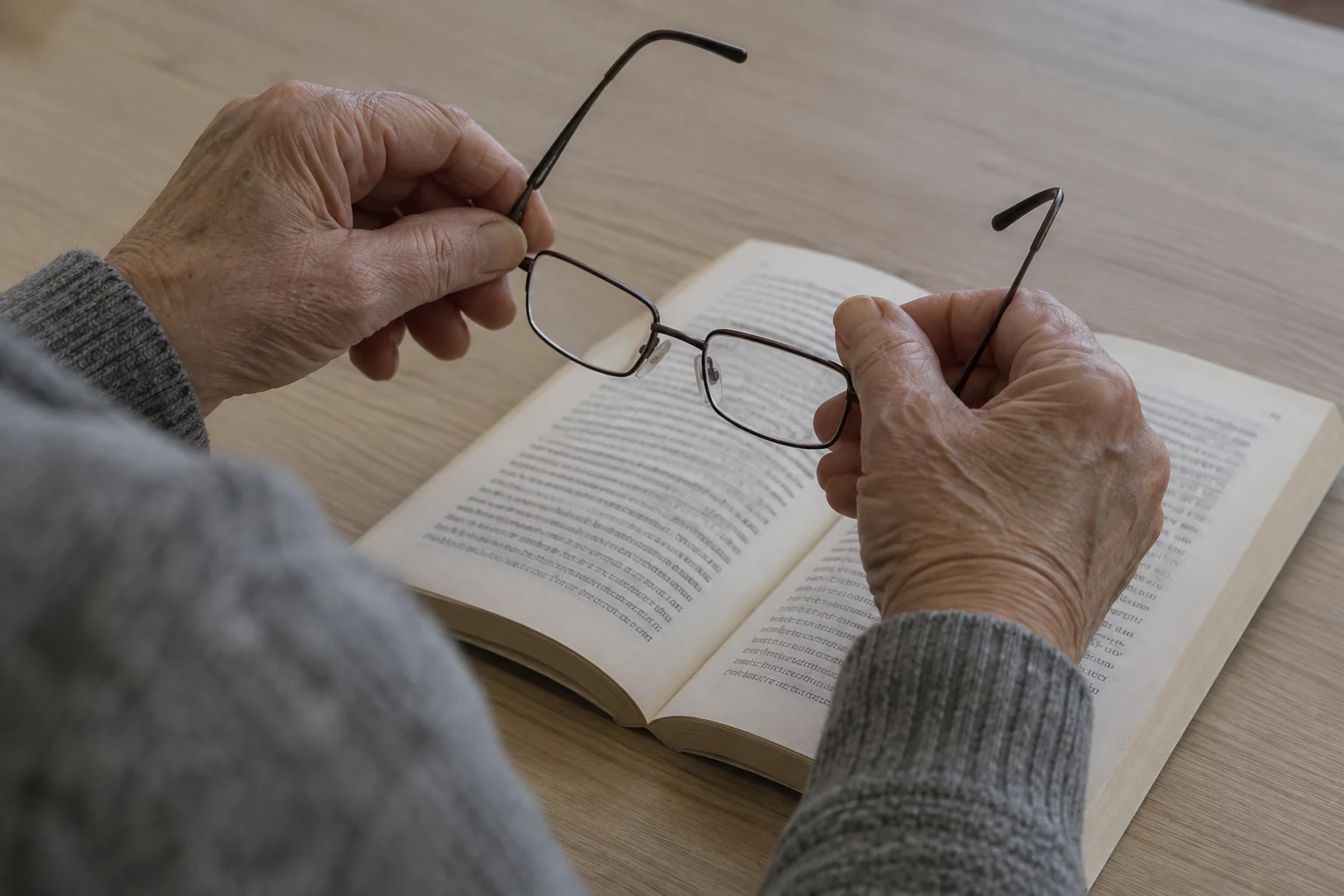
What Is a Cataract? When Should Cataract Surgery Be Performed?
A cataract is the clouding of the natural lens inside the eye, which is normally transparent. As this clouding increases, light can no longer be focused sharply enough inside the eye and the quality of vision decreases. Although cataracts are most often seen with advancing age, they can occur at any age from birth; certain diseases, eye injuries and some medications can also affect their development.
Read more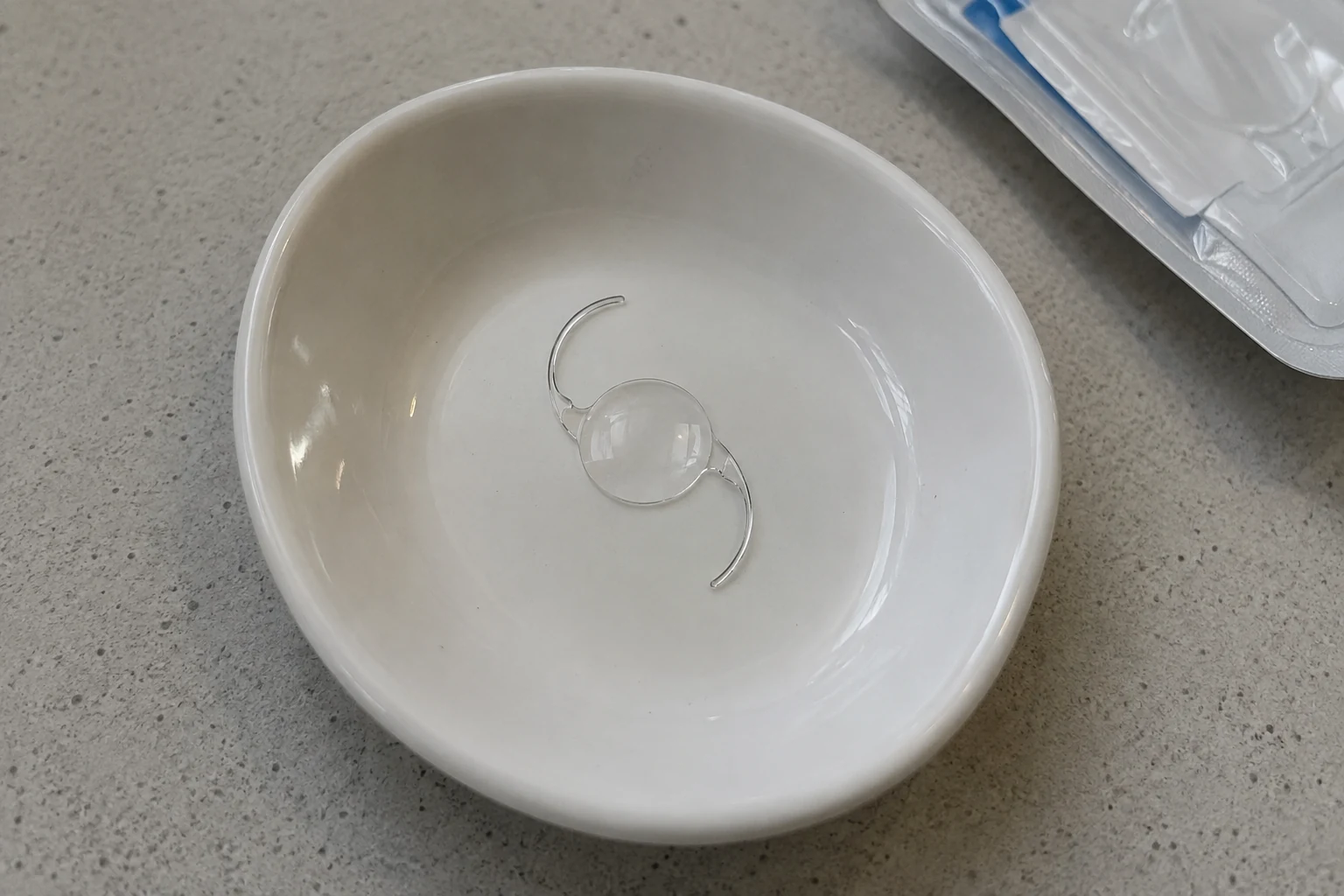
What Is a Smart Lens? Who Is It Suitable For?
The lenses popularly known as “smart lenses” are certain intraocular lenses designed to support vision at different distances. In medical terms, there may be multifocal or extended depth of focus lens options with different designs.
Read more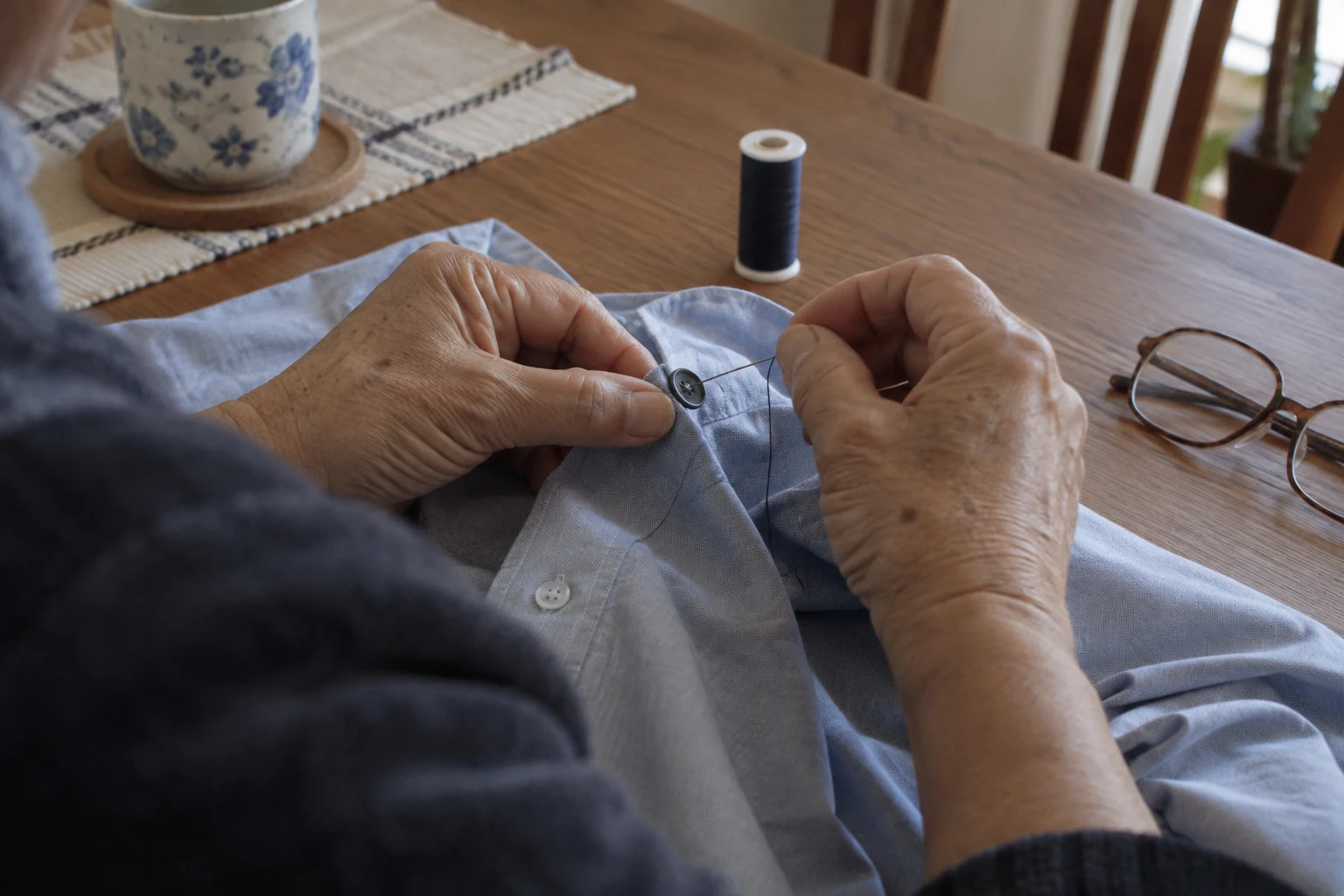
What Is Vision Like After Smart Lens Surgery?
The time it takes for vision to recover can vary from person to person. The condition of the eye before surgery, the health of the retina and cornea, and the features of the lens used all affect the result.
Read more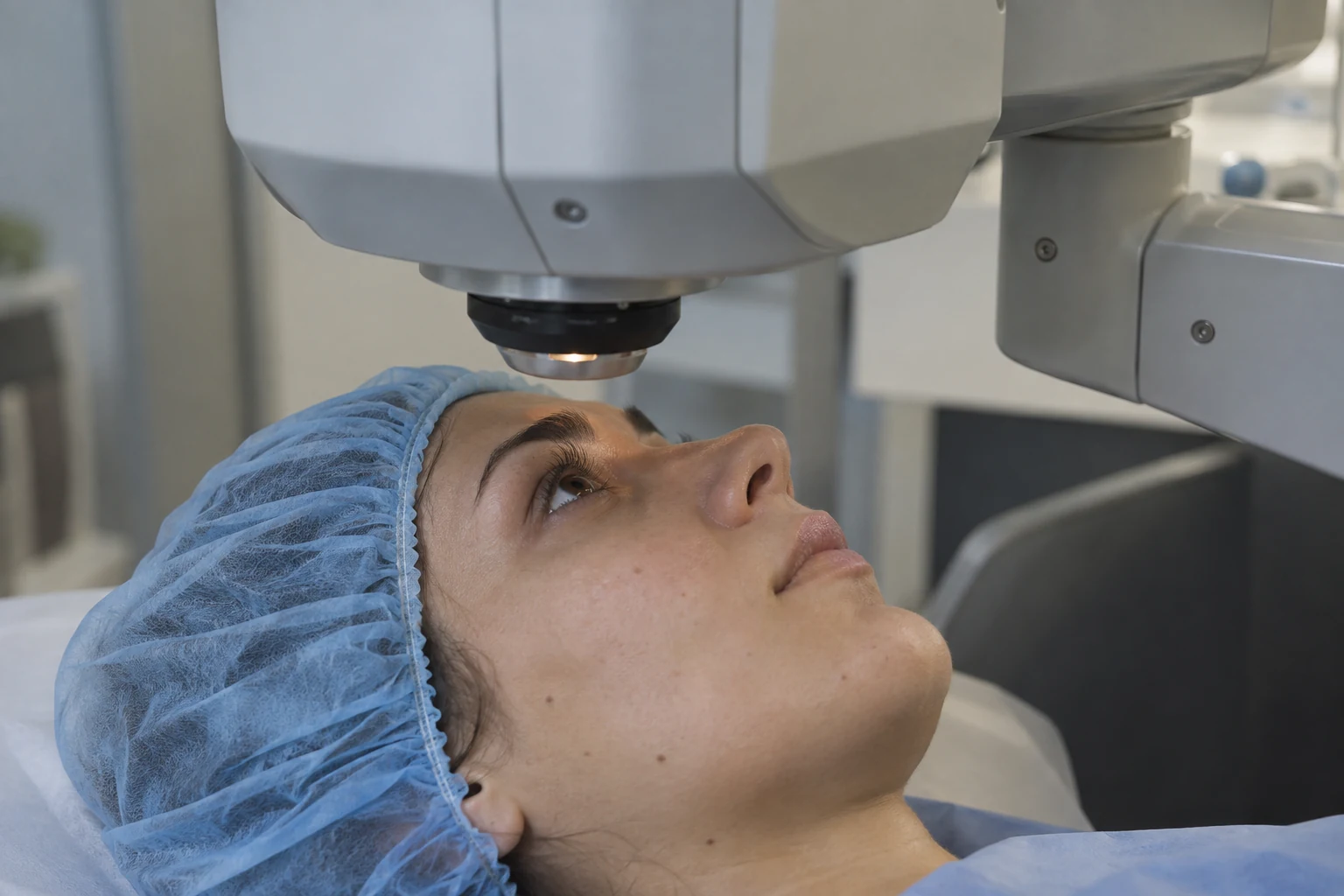
Laser Eye Surgery: LASIK, PRK and SMILE
Laser eye surgery may be performed to reduce refractive errors such as myopia, hyperopia and astigmatism and, in suitable patients, to remove the need for glasses or contact lenses.
Read more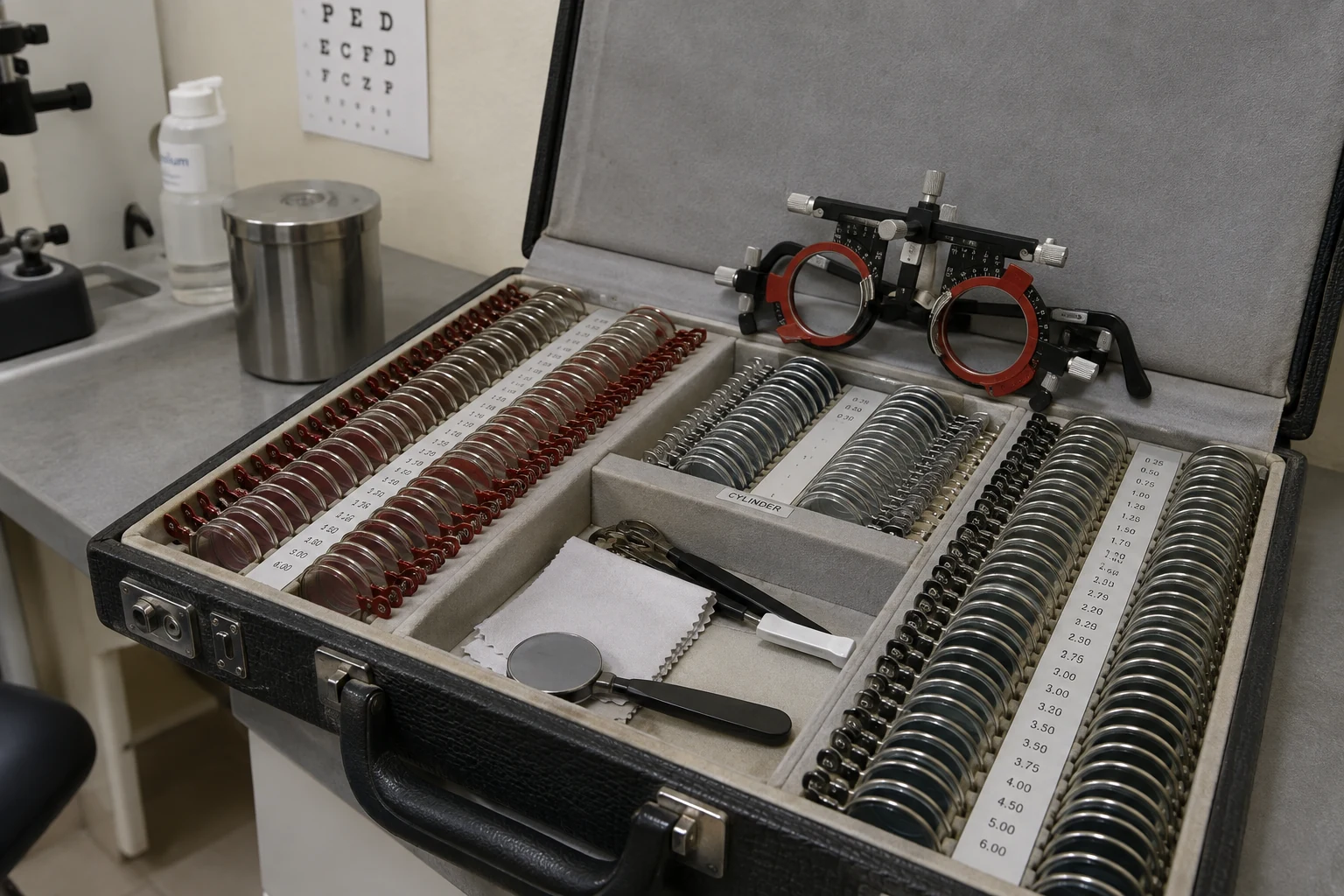
What Are Myopia, Hyperopia and Astigmatism?
A person with myopia usually sees near objects more clearly and distant objects more blurred. Depending on the degree, it can become difficult to make out distant text, traffic signs or faces. The image falls in front of the retina's center of vision, and vision becomes blurred.
Read more
Can Laser Surgery to Get Rid of Glasses Be Performed on Everyone?
No. For laser surgery, in addition to the eye's prescription, the topographic structure of the cornea, its thickness, the ocular surface and the general health of the eye must be evaluated. The patient's age matters. It is generally performed from the age of 18-20. After the age of 40, each patient must be assessed individually. The glasses prescription must have stopped changing and must not be progressing.
Read more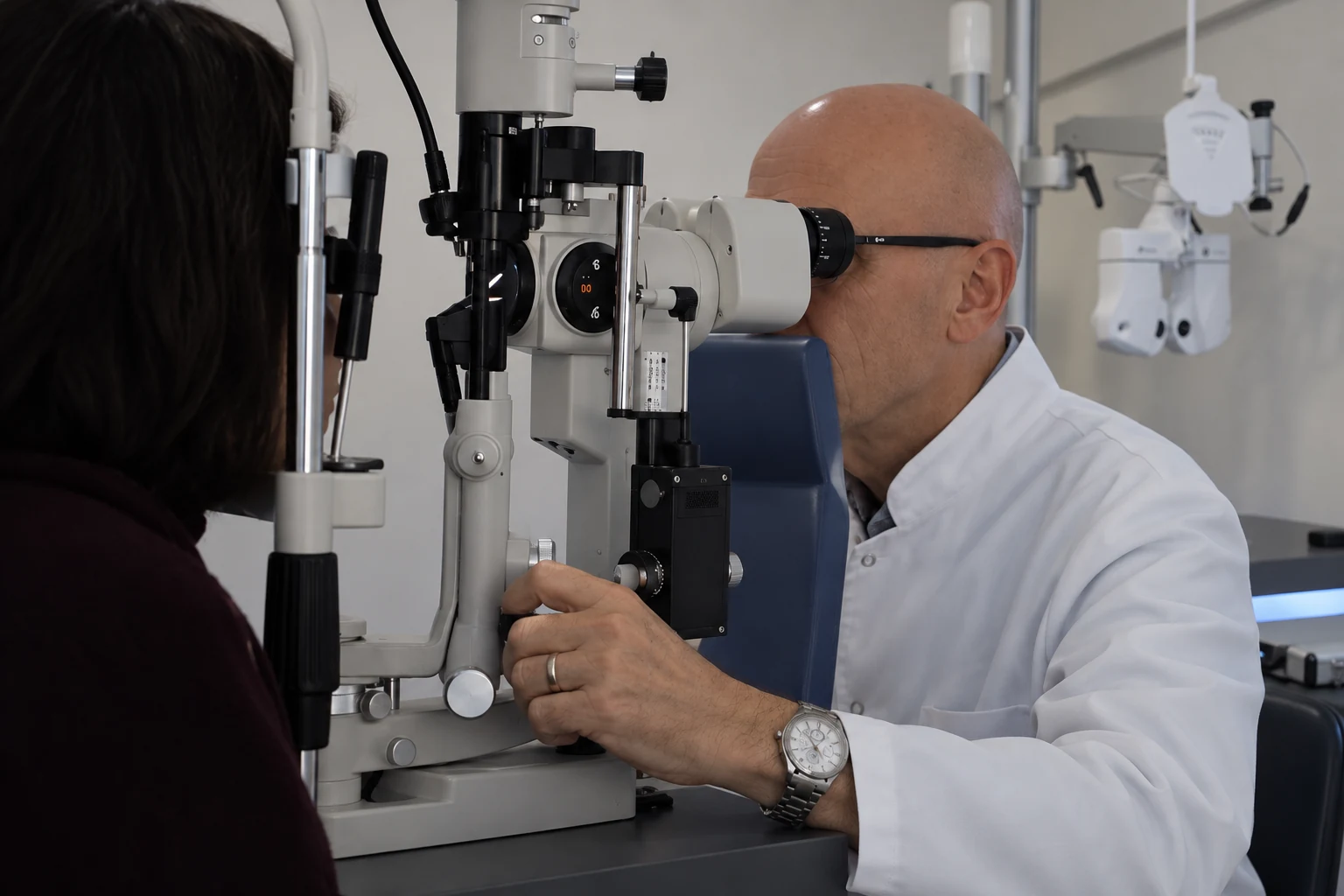
What Is Glaucoma (Eye Pressure)?
Glaucoma is a group of eye diseases that can cause damage to the optic nerve. If left untreated, it can lead to permanent loss of visual acuity and visual field.
Read more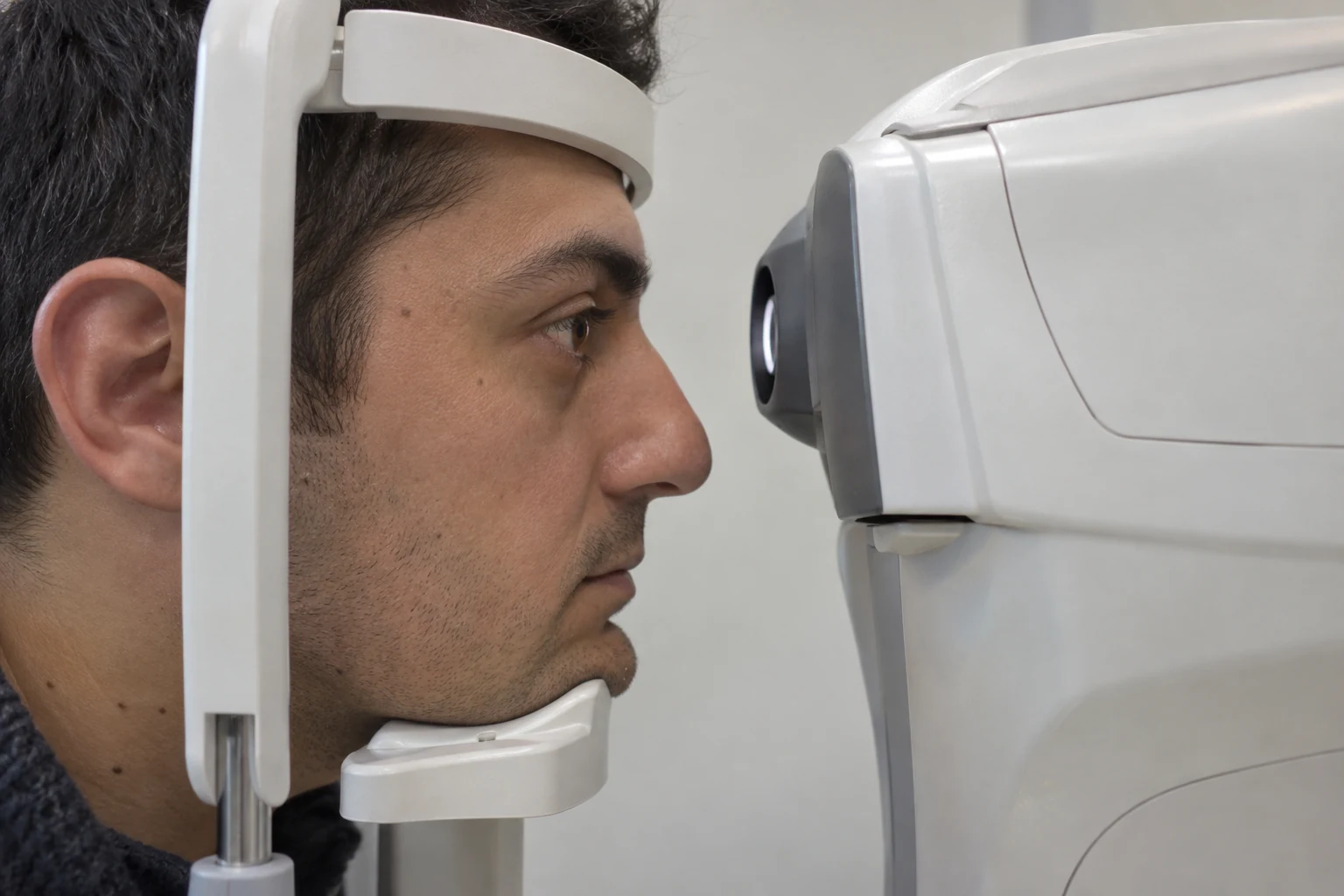
Why Should Eye Pressure Be Checked Regularly?
Inside the eye there is a fluid that is constantly produced and drained. This balance creates the intraocular pressure. Pressure levels higher than the optic nerve can withstand have a harmful effect on the nerve.
Read more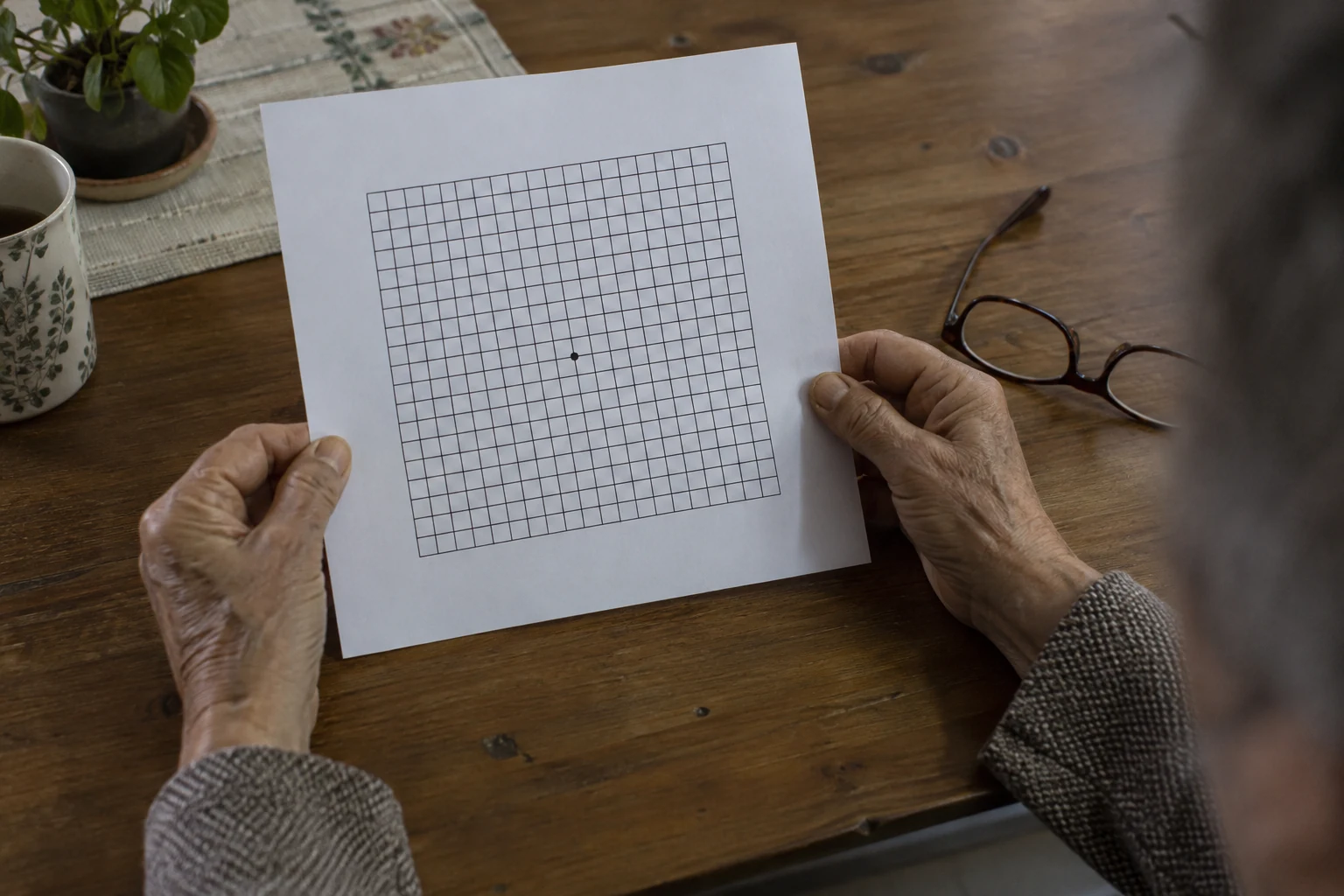
What Is Macular Degeneration?
The macula is the area at the center of the retina that is responsible for functions such as reading, recognizing faces and seeing fine detail. Age-related macular degeneration can affect this area.
Read more
What Causes Dry Eye? How Is It Treated?
Tears are not just water; they form a complex layer that protects the surface of the eye. When the quantity or quality of tears is insufficient, dry eye can develop.
Read more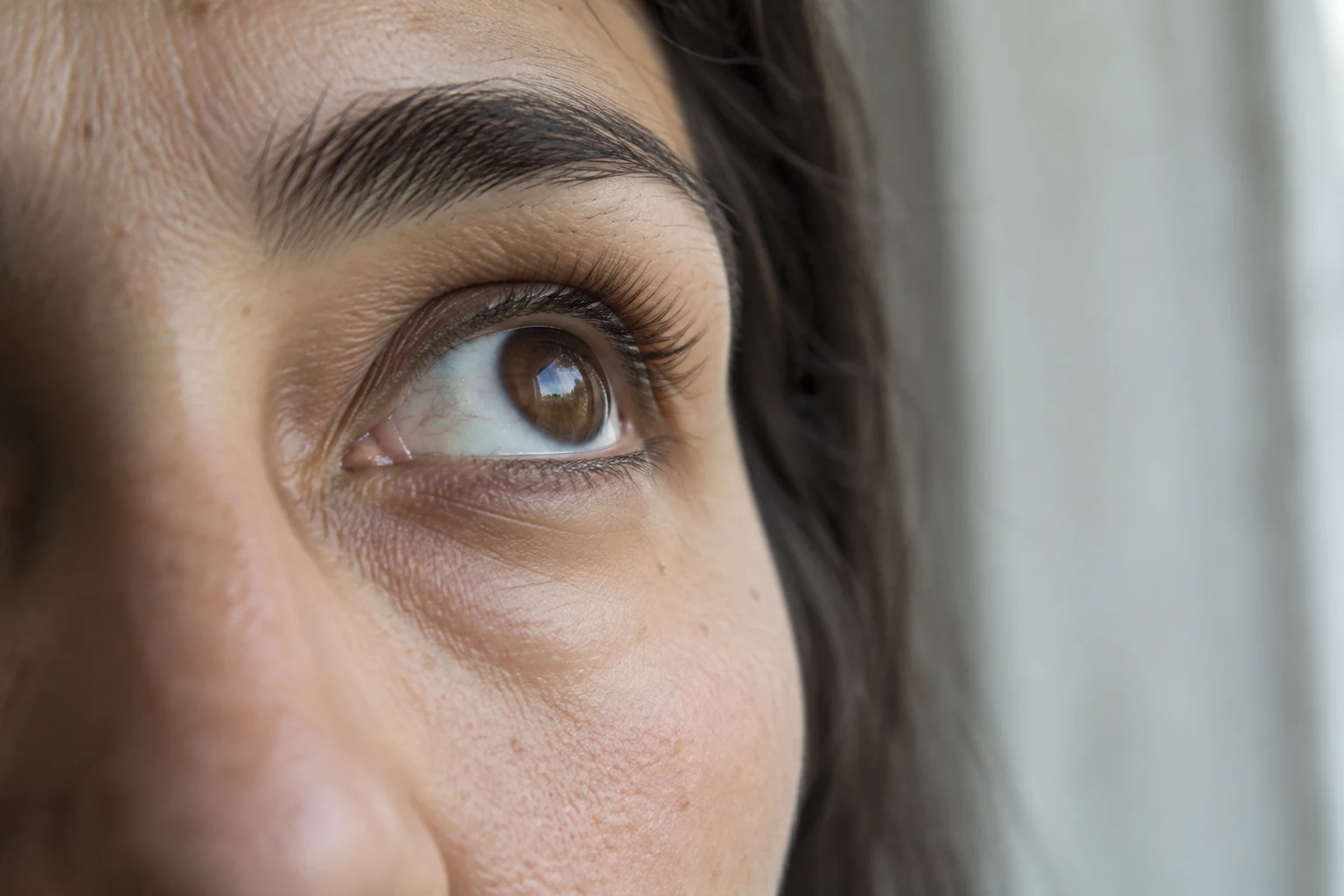
When Are Floaters and Flashes of Light in the Eye Important?
Black dots, threads or cobweb-like shapes that move across the field of vision are described as floaters. They are most often related to age-related changes in the gel inside the eye.
Read more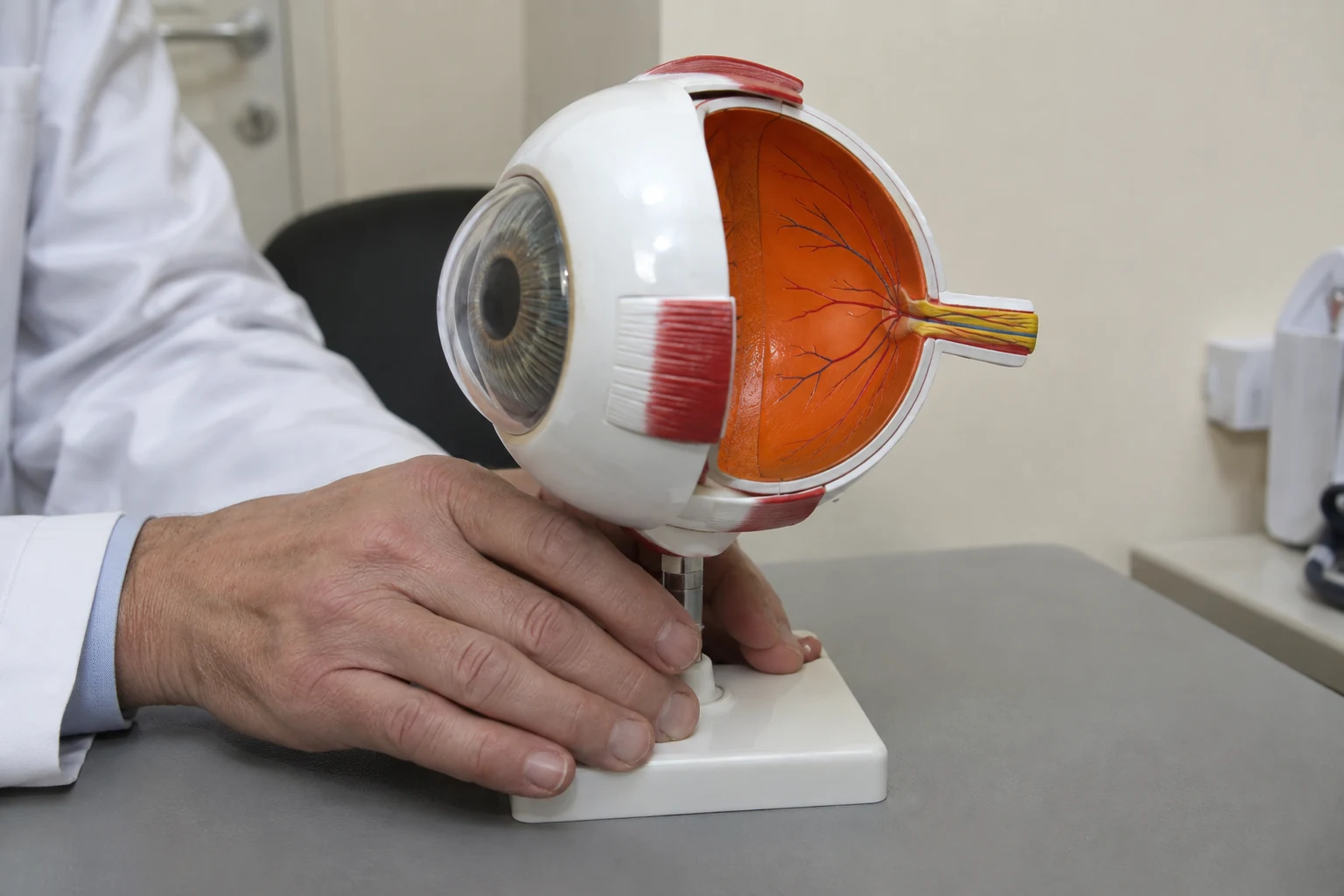
What Is a Retinal Tear? What Are the Symptoms?
The retina is the nerve layer at the back of the eye that senses light and plays a key role in forming the image.
Read more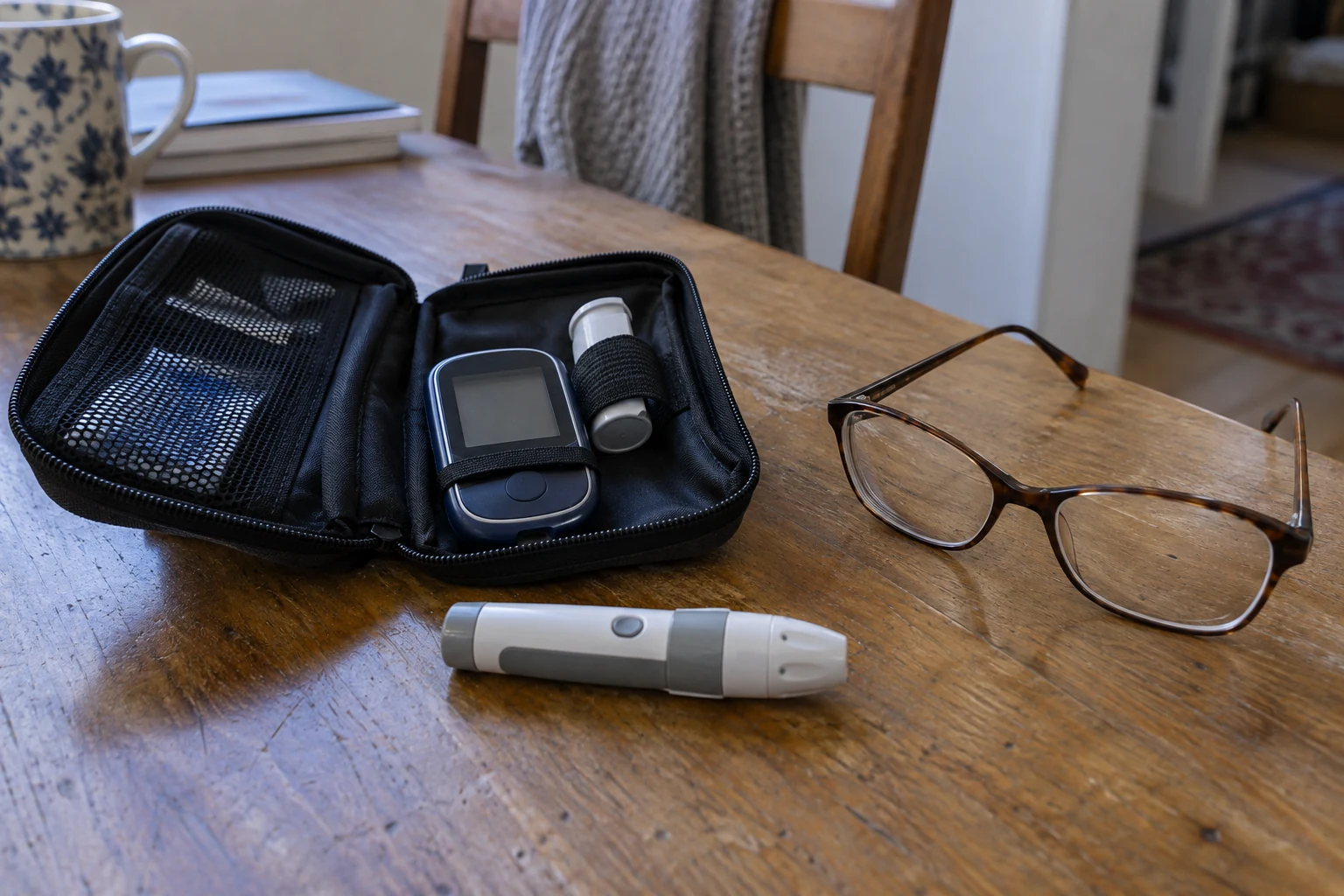
How Does Diabetes Affect the Eyes? Diabetic Retinopathy
Over time, diabetes can affect the small blood vessels in the retina. This condition is called diabetic retinopathy.
Read more
Does Looking at Screens for a Long Time Damage the Eyes?
Prolonged use of computers, tablets or phones can lead to complaints such as eye strain, dryness, burning and temporary blurred vision.
Read more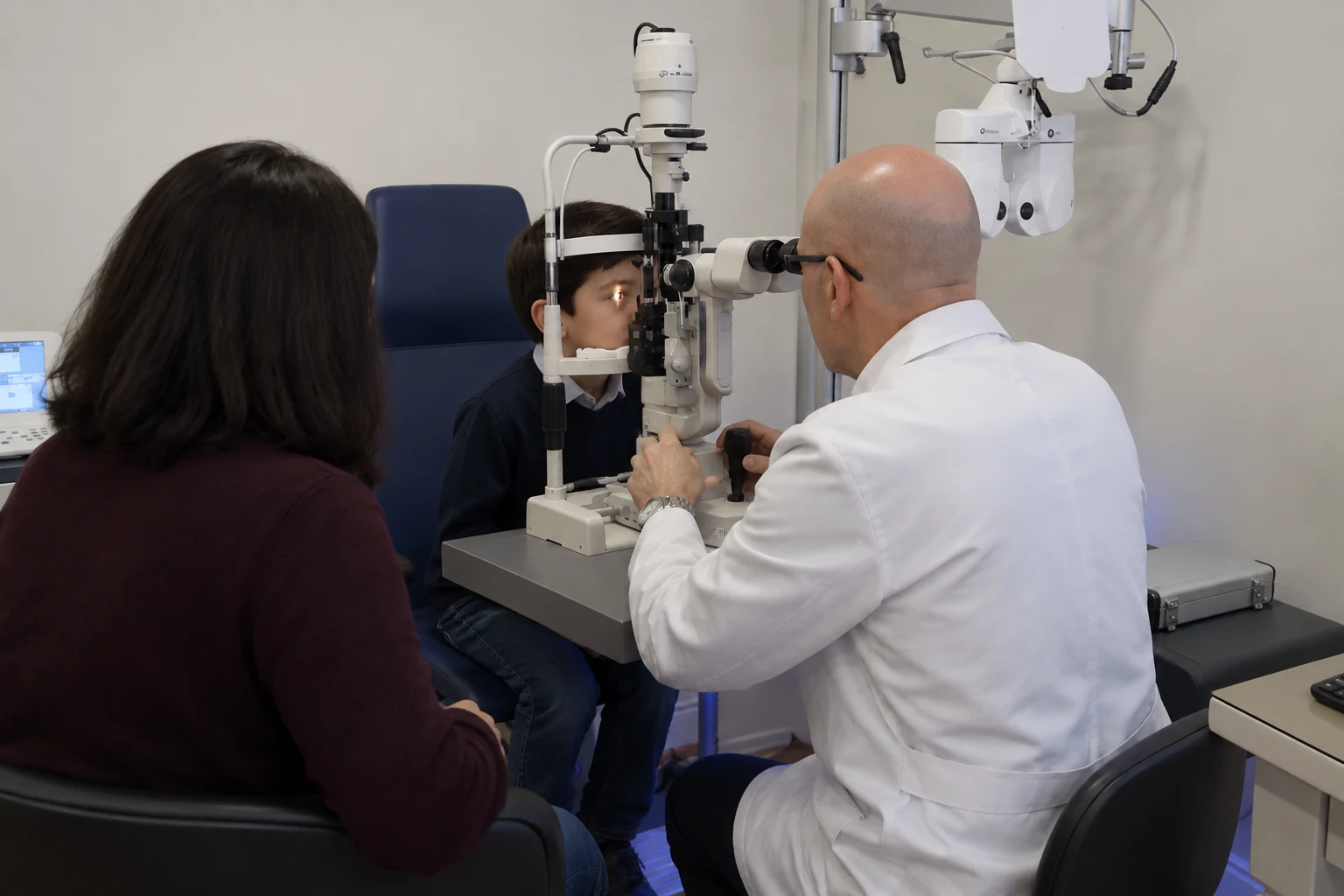
When Should a Child Have Their First Eye Examination?
The visual system develops during childhood. If some problems are not detected early, they can lead to permanent vision problems such as lazy eye (amblyopia).
Read more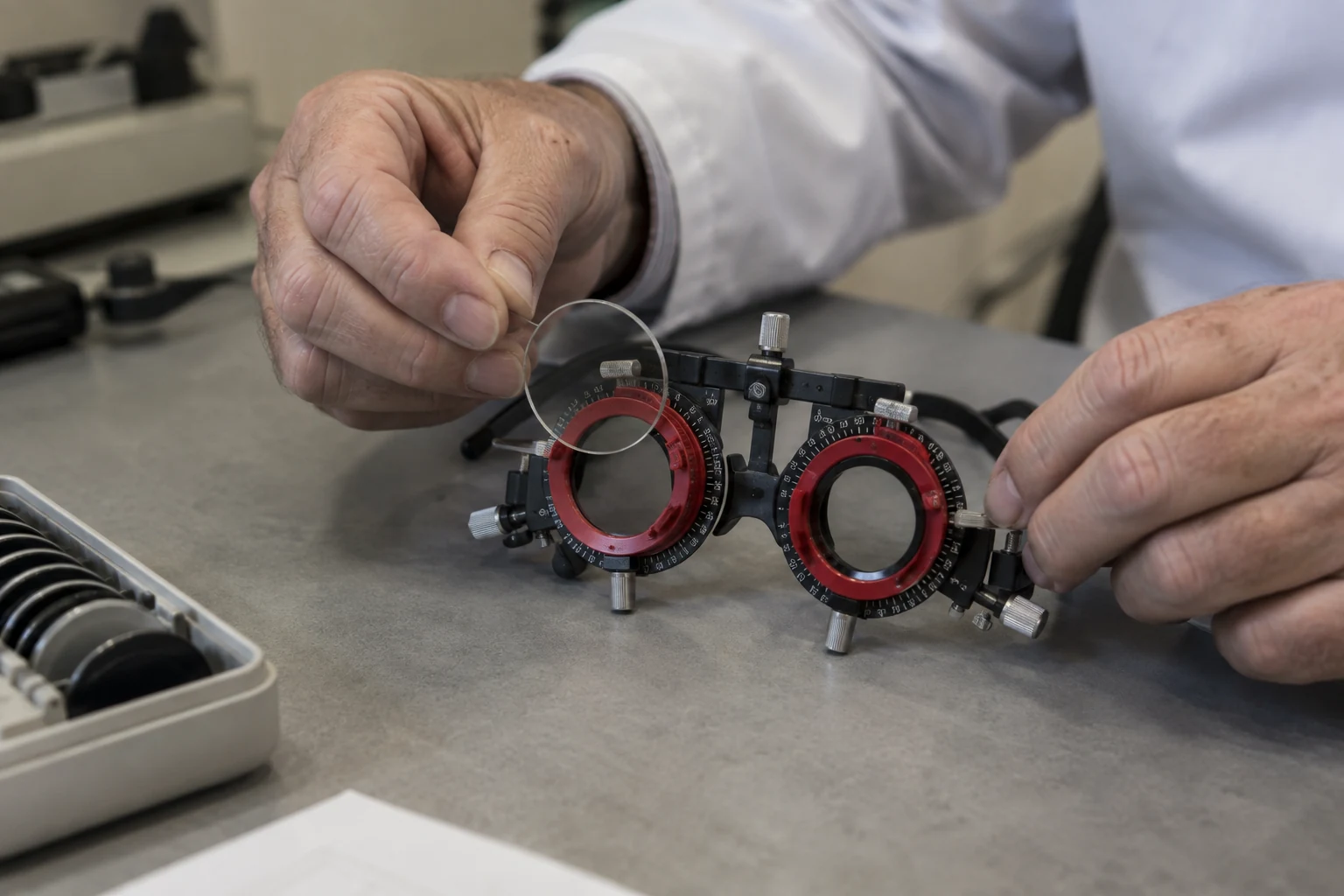
Why Does a Glasses Prescription Change Often?
Especially during childhood and adolescence, the glasses prescription can change over time as the eye grows. Eye diseases that develop later in life can also cause changes in the glasses prescription.
Read more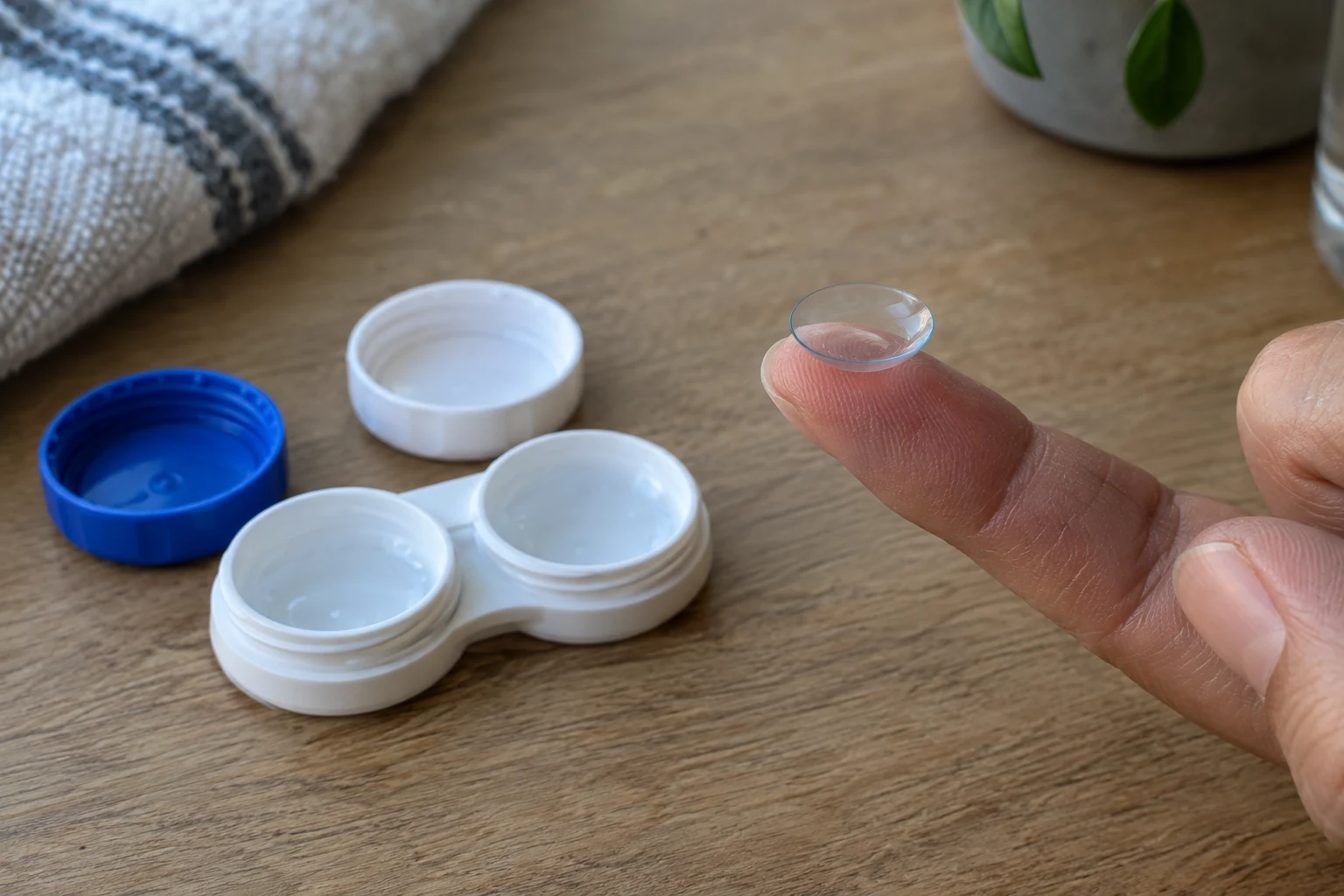
Common Mistakes When Using Contact Lenses
Hygiene is very important when using contact lenses. Hands should be washed and dried before touching the lenses.
Read more
What Patients Should Know Before Cataract Surgery
In addition to the cataract, the cornea, retina, optic nerve and other structures of the eye are evaluated. This is because vision after surgery does not depend on the cataract alone.
Read more
What Should You Pay Attention to After Eye Surgery?
No. Recommendations may differ after cataract, retinal, glaucoma or laser surgery. For this reason, the personal instructions given to the patient should be followed.
Read more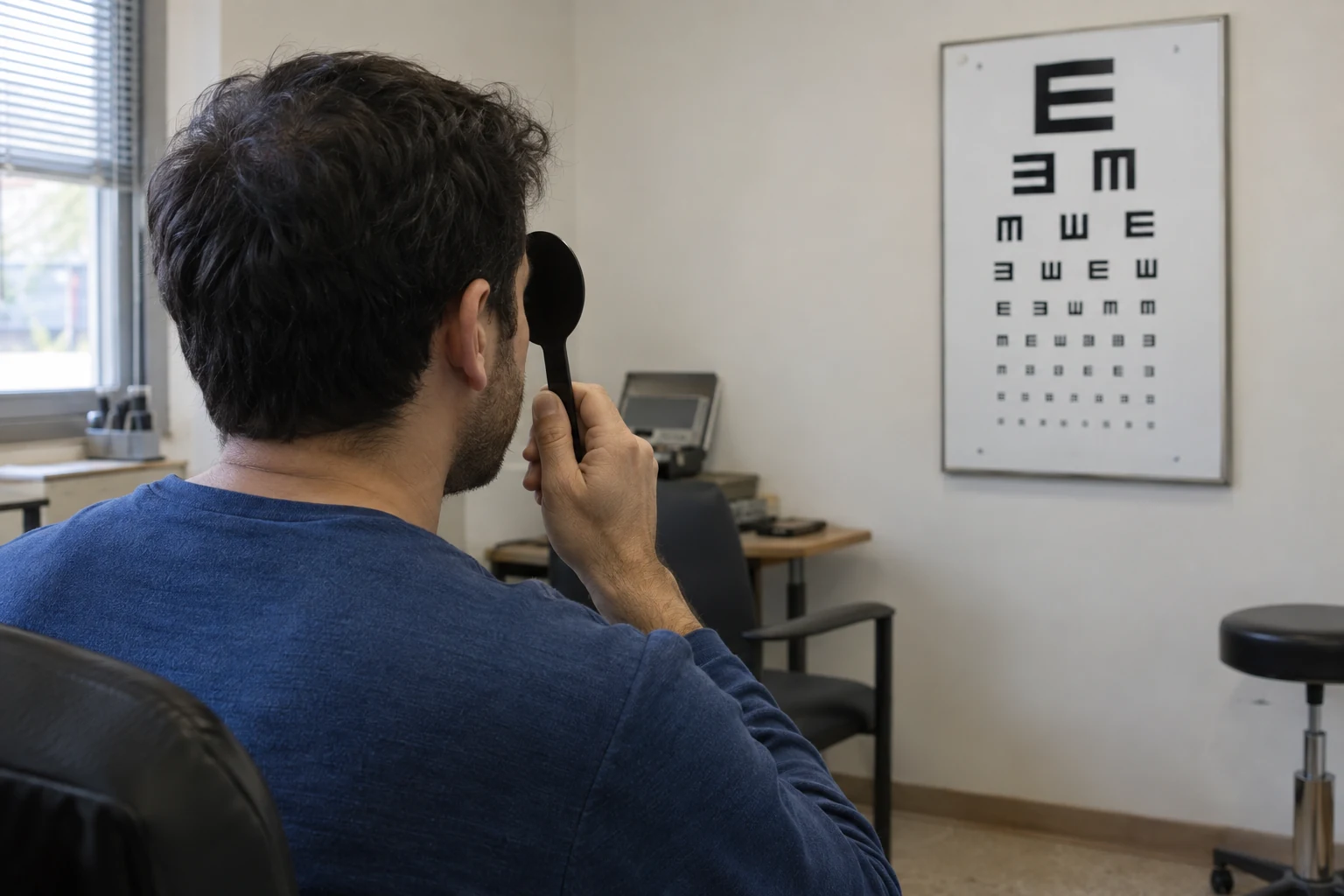
Why Are Regular Eye Examinations Important for Eye Health?
No. A comprehensive eye examination evaluates not only the glasses prescription but also structures such as the front of the eye, intraocular pressure, the optic nerve and the retina.
Read moreLet’s keep talking about eye health.
Your eye health questions, short videos and the latest updates. Follow my Instagram and Facebook accounts to discover new content.
 Prof. Dr. Muhittin TaşkapılıOphthalmology and Eye Surgery