What Is a Cataract? When Should Cataract Surgery Be Performed?


What is a cataract?
A cataract is the clouding of the natural lens inside the eye, which is normally transparent. As this clouding increases, light can no longer be focused sharply enough inside the eye and the quality of vision decreases. Although cataracts are most often seen with advancing age, they can occur at any age from birth; certain diseases, eye injuries and some medications can also affect their development.
What are the symptoms of a cataract?
Hazy or blurred vision, difficulty seeing at night, being bothered by car headlights, seeing colors as more faded, difficulty reading and changes in glasses prescription may occur. Because a cataract usually progresses slowly, the patient may not notice the change at first.
How is a cataract treated?
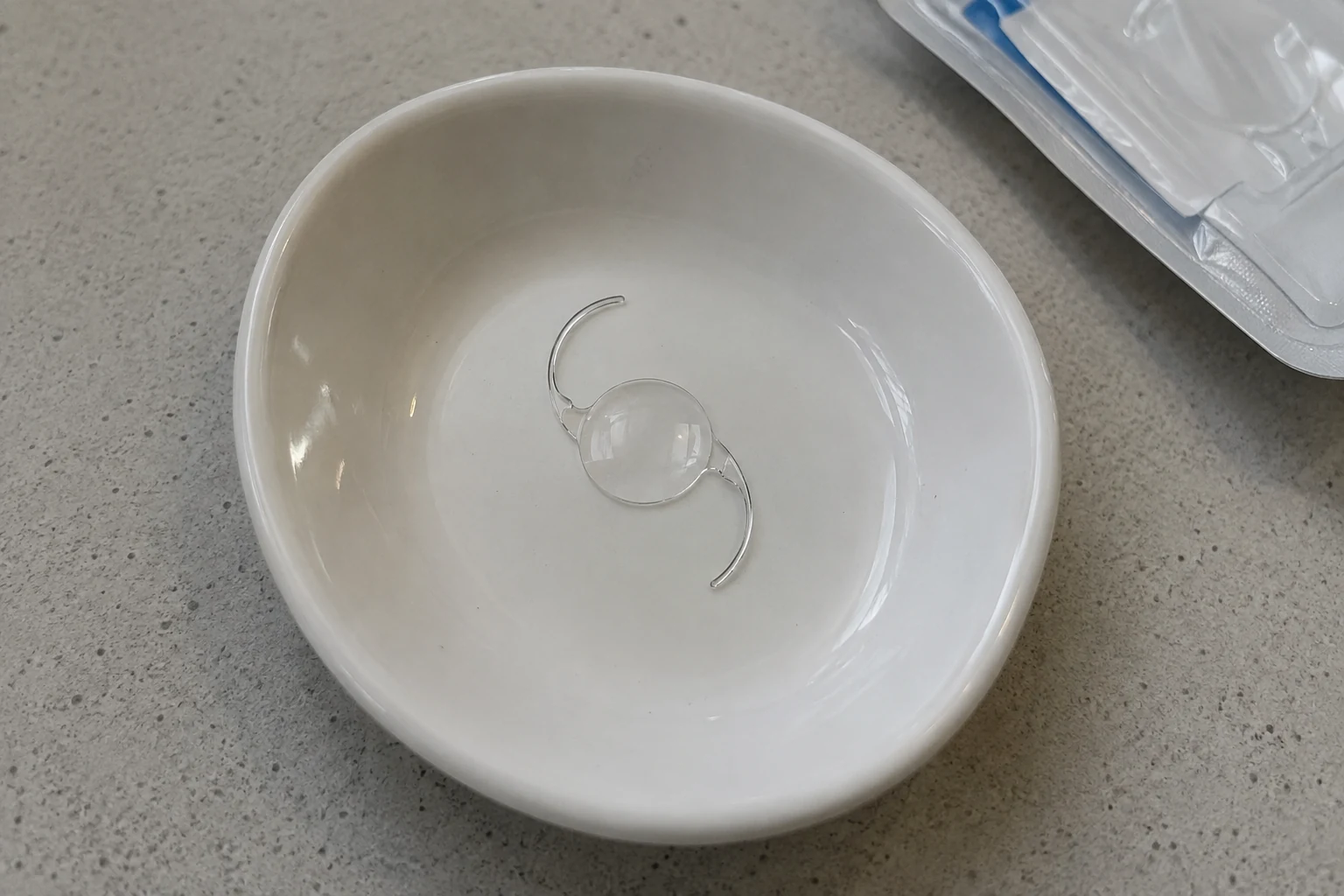
There is no eye drop or medication that removes a cataract. Surgical treatment can be considered when vision begins to affect daily life. During surgery, the clouded natural lens is removed and a clear intraocular lens is placed in its position.
When is surgery needed?
A cataract diagnosis does not always mean immediate surgery. The decision is made by evaluating together the level of vision, daily life, occupation, driving and the patient's needs.
Is cataract surgery painful?
If the patient's age allows, the surgery is generally performed under local anesthesia, or even with anesthetic eye drops alone. General anesthesia is required for children and young people. Although there is no pain under local anesthesia, the steps of the procedure can be felt, and sometimes pain may also occur.
When does vision improve after cataract surgery?
Although vision improves quickly after surgery, a period of 3-4 weeks is needed for vision to recover fully.
Can a cataract come back?
A cataract does not come back, but the lens capsule in which we place the intraocular lens during surgery can sometimes become cloudy again later on, causing a decrease in vision. In such a case, vision can be improved again by applying laser to the capsule.
How is an intraocular lens chosen?
There are intraocular lenses with different features. The choice should be made individually, based on the health of the cornea and retina, the eye's prescription, daily life and expectations for vision after surgery.
When is an eye examination needed?
If you have a vision complaint that is new, ongoing or affecting your daily life, it is advisable to have it evaluated with an eye examination. Symptoms such as sudden loss of vision, severe eye pain or a curtain/shadow in your visual field should be evaluated without delay.
Information note: This article has been prepared for general information purposes. Decisions on diagnosis and treatment should be made after evaluating the person's eye examination and medical condition.